

Benefits of Using Construction Chemicals in Building
- Ashwin Vinod Kumar
- Nov 29, 2025
- 3 min read

The construction industry is constantly evolving, and with it comes the need for innovative solutions that enhance the quality and durability of structures. One such solution is the use of construction chemicals. These specialized products play a crucial role in modern building practices, offering a range of benefits that can significantly improve the performance of construction projects. In this blog post, we will explore the various advantages of using construction chemicals, how they contribute to sustainability, and their impact on the overall efficiency of building processes.
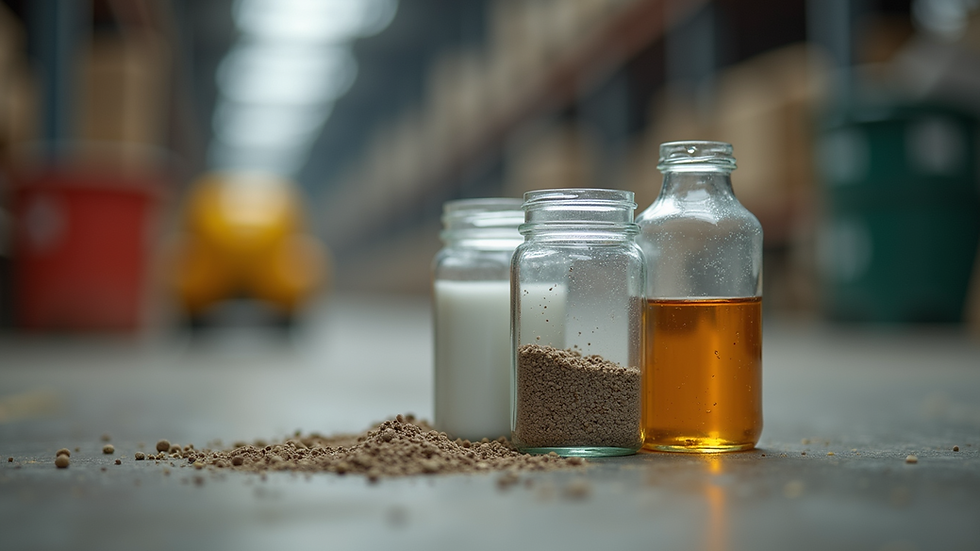
Understanding Construction Chemicals
Construction chemicals encompass a wide variety of products designed to improve the properties of construction materials. These include:
Admixtures: Used in concrete to enhance its properties, such as workability, strength, and durability.
Sealants and Adhesives: Essential for bonding materials and preventing water ingress.
Protective Coatings: Applied to surfaces to protect against corrosion, weathering, and chemical damage.
Repair Compounds: Used for fixing damaged structures and ensuring longevity.
By incorporating these chemicals into building processes, contractors can achieve better results and extend the lifespan of their projects.
Enhanced Durability and Longevity
One of the primary benefits of using construction chemicals is the enhanced durability they provide. For instance, admixtures can improve the compressive strength of concrete, making it more resistant to cracking and wear over time. This is particularly important in high-stress environments, such as bridges and highways, where structural integrity is paramount.
Additionally, protective coatings can shield surfaces from harsh weather conditions, UV radiation, and chemical exposure. This not only prolongs the life of the materials but also reduces maintenance costs in the long run. For example, a study conducted by the American Concrete Institute found that using high-performance concrete with appropriate admixtures can increase the lifespan of structures by up to 50%.
Improved Workability and Efficiency
Construction chemicals also contribute to improved workability, making it easier for workers to handle materials during the building process. For example, water-reducing admixtures can enhance the flow of concrete, allowing for easier placement and finishing. This can lead to faster project completion times and reduced labor costs.
Moreover, the use of specialized adhesives and sealants can streamline the assembly of various components, reducing the time spent on installation. This efficiency is particularly beneficial in large-scale projects where time is of the essence.
Sustainability and Environmental Impact
As the construction industry faces increasing pressure to adopt sustainable practices, construction chemicals can play a vital role in reducing the environmental impact of building projects. Many modern construction chemicals are designed to be eco-friendly, minimizing harmful emissions and waste.
For instance, using low-VOC (volatile organic compounds) sealants and adhesives can significantly improve indoor air quality, benefiting both workers and occupants. Additionally, some admixtures can enhance the performance of recycled materials, promoting the use of sustainable resources in construction.
By choosing environmentally friendly construction chemicals, builders can contribute to a greener future while still achieving high-quality results.
Cost-Effectiveness
While the initial investment in construction chemicals may seem high, the long-term savings they provide can be substantial. Enhanced durability means fewer repairs and replacements, which can lead to significant cost reductions over time. For example, a building that incorporates high-performance concrete with appropriate admixtures may require less frequent maintenance, ultimately saving thousands of dollars.
Furthermore, improved workability can lead to faster project completion, reducing labor costs and allowing for quicker returns on investment. In many cases, the benefits of using construction chemicals far outweigh the initial costs, making them a smart choice for builders and contractors.
Versatility in Applications
Construction chemicals are incredibly versatile and can be used in a wide range of applications. Whether it's residential, commercial, or industrial construction, these products can be tailored to meet specific project requirements. For example:
In Residential Construction: Admixtures can enhance the strength of concrete used in foundations and driveways, while sealants can protect roofs and windows from water damage.
In Commercial Projects: Protective coatings can be applied to floors and walls to withstand heavy foot traffic and chemical spills.
In Industrial Settings: Repair compounds can be used to fix damaged machinery and equipment, ensuring minimal downtime.
This versatility makes construction chemicals an essential component of modern building practices.
Conclusion
The benefits of using construction chemicals in building are clear. From enhanced durability and improved workability to sustainability and cost-effectiveness, these products play a crucial role in the success of construction projects. As the industry continues to evolve, embracing the use of construction chemicals will be essential for builders looking to achieve high-quality results while minimizing their environmental impact.
By understanding the advantages of these products, contractors can make informed decisions that not only benefit their projects but also contribute to a more sustainable future in construction. As you plan your next building project, consider the role that construction chemicals can play in achieving your goals.


Comments